7 Brutal Truths Why Tiny Homes Can Ruin You
Stop the Queensland Tiny-Home Fairy Tale: 7 Brutal Truths Why Tiny Homes Can Ruin You
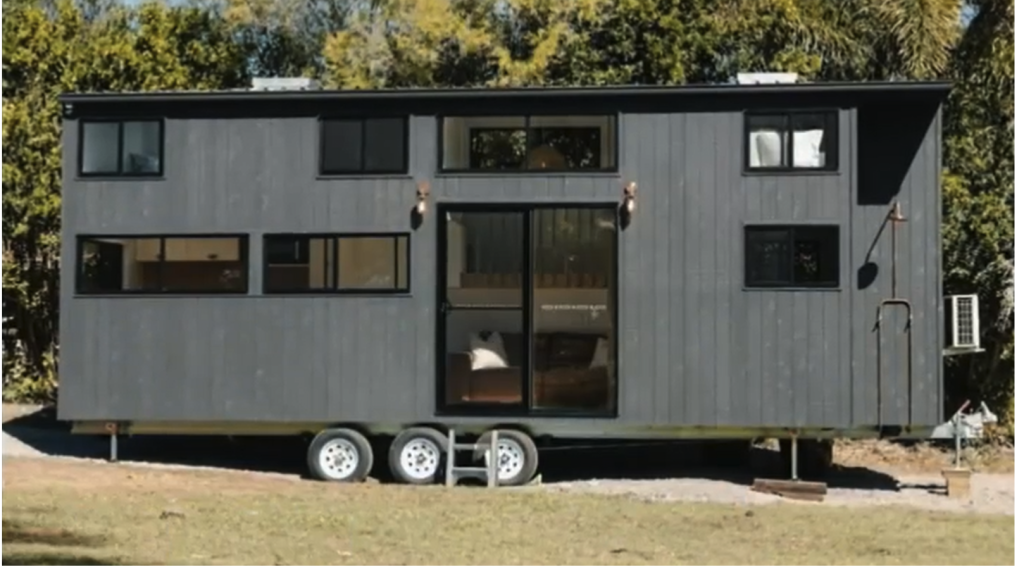
Tiny homes are often sold as a magical fix: cheaper, greener, stress-free living. But the reality is far harsher. Here are 7 uncompromising reasons why going tiny can be a disastrous investment—unless you go with a builder you can trust (hello, Mamet Homes).
1. Financial Collapse Is Real—Queensland Tiny Home Builders Go Under
In Queensland, Tiny Home & Co recently entered liquidation. A retiree paid ~$145,000 for a tiny home that never arrived. (Queensland Tiny Home builder goes bust) Complaints of leaking roofs, gaps in walls, and undelivered builds are mounting. (Queensland Tiny Home builder goes bust)
Another example: My Tiny Home Kit (in Victoria) has been accused of taking money without delivering homes. (ABC)
QS Tiny Homes Pty Ltd was wound up in 2025. (Published Notices)
If a tiny-home company fails, your deposit (or full payment) may disappear. Unlike a Class 1 house built under regulation, you’re left with little legal recourse or asset recovery.
2. No Regulatory Oversight = Massive Risk
Because most tiny homes are classified under the Caravan / Class 1A regime, they operate outside typical building regulations. (9News)
That means:
No assurance of structural standards,
No requirement for certified trades,
Minimal third-party checks,
And no protection under regimes that govern standard homes.
You’re entirely dependent on the integrity (or solvency) of the tiny home builder.
3. Council Powers: They Can Force Removal
Because tiny homes are not universally recognised as permanent Class 1 dwellings, local councils have successfully required their removal in some cases.
If your council deems your tiny home illegal (e.g. because it doesn’t meet local building or zoning rules), you may be forced to demolish, relocate or remove it at your cost.
Don’t assume your “tiny home” is safe once approved—zoning, setbacks, land use rules all threaten it.
4. No Warranty, No Builder Guarantee, No Confidence
Tiny homes are typically not covered under the Queensland Building and Construction Commission (QBCC) 7-year warranty because they are not classed as Class 1 buildings. (9News)
Further, many tiny home builders are not registered builders. They can be “cowboys” or unlicensed handymen.
If defects emerge (and they often do: leaks, framing distortions, poor insulation), you often have no warranty recourse.
Worse: some companies offer long warranties but have only been in business a few years—rendering promises meaningless.
5. Unpredictable Build Quality & Hidden Structural Issues
Tiny homes are built on frames that twist, deflect, and bounce. They demand far more bracing and structural integrity than casual installers provide.
Most tiny home builds skimp on proper bracing, because the builder is unregistered and unregulated. That leads to sagging, cracking, sealing issues, warping—all of which significantly reduce durability.
You may never know the true construction quality until you live in it (or when defects begin multiplying).
6. Financing and Valuation Nightmares
Because tiny homes are not classified as standard residential constructions, most lenders refuse finance. They don’t view the asset as a Class 1 home but rather as a caravan or chattel—thus making them ineligible for home or mortgage loans.
Even if you pay outright, resale value is highly questionable. Insurance, depreciation, and lack of comparables all make tiny homes a poor asset for long-term investment.
7. You Can’t Even Watch the Build
Tiny homes are often prefabricated in warehouses, offsite, then delivered. This means:
You can’t monitor workmanship daily,
You don’t see the contractors or trades they use,
You can’t demand onsite corrections or oversight,
You never truly know the standard until the unit arrives (often poorly assembled or damaged in transport).
Given the weak regulatory environment, this is a recipe for disaster.
Why Going with a Trusted Builder Matters: Don’t Get Screwed Over
When so many risks stack up, you need a builder you can rely on. That’s where Mamet Homes differentiates:
We are fully licensed, regulated, and bound by QBCC warranties.
Our builds are inspected, documented and held to high construction standards.
You can tour construction sites, witness materials, and ask for proof.
Your contract protections and recourse stay in force for years.
We build Class 1 dwellings — not caravans masquerading as “homes.”
Don’t gamble your life savings on a fly-by-night tiny home kit. Trust a real home builder you can hold accountable.
FAQ — Tiny Homes: Myths vs Reality
Q: Are tiny homes “real” homes?
A: No. In most jurisdictions they are classified as Class 1A / caravan structures, not full Class 1 homes.
Q: Are tiny home builders registered builders?
A: Usually not. Because they fall under caravan or non-Class 1 classification, the builder can be any handyman or small operator. That means little oversight or accountability.
Q: Can council force you to remove a tiny home?
A: Yes. Local councils have invoked building or zoning rules to demand removal of structures that don’t meet local regulations.
Q: Are tiny homes covered by the QBCC 7-year warranty?
A: No. Because they’re not considered Class 1 buildings under standard home building regulation, they fall outside QBCC warranty coverage.
Q: Are tiny homes built on your land?
A: No. Most are manufactured offsite in a warehouse. That means you often don’t witness the build, and you have no control over workmanship until delivery.
Q: Can you get finance for tiny homes?
A: In most cases, no. Lenders treat them as chattels or caravans, not residential dwellings, so they are ineligible for typical home loans.
Q: Do tiny homes need more bracing than standard homes?
A: Yes. Because they’re on frames subject to more twisting and deflection, they require robust structural bracing. Many tiny home builds skimp on this because of lack of regulation.
Q: What questions should I ask a tiny home builder?
Can I see your builder’s licence / registration?
How long have you been in business?
What is the warranty period, and what does it cover?
If the warranty is longer than their years in business, it’s meaningless. (If a builder has been operating 2 years but offers a 7-year warranty, where is the credibility?)